Many agencies prioritize management over growth. They present dashboards, not dividends. This is especially true in the nebulous realm of AI search optimization. CEOs and CMOs must discern between genuine business impact and clever reporting. Your bottom line demands it.
The Illusion of Growth: AI Search Optimization’s Dark Side
AI search is not magic. It is a tool. Agencies leveraging it must deliver measurable ROI. Not just buzzwords. Many promise AI-powered breakthroughs. They deliver superficial reports. This distinction is critical for your investment.
What “AI Search Optimization” Really Means
True AI search optimization integrates advanced analytics and machine learning. It identifies patterns, predicts user intent, and optimizes content at scale. It is about efficiency and precision. It should enhance your existing SEO strategy. It should not replace it with an opaque black box.
The Vanity Metric Trap
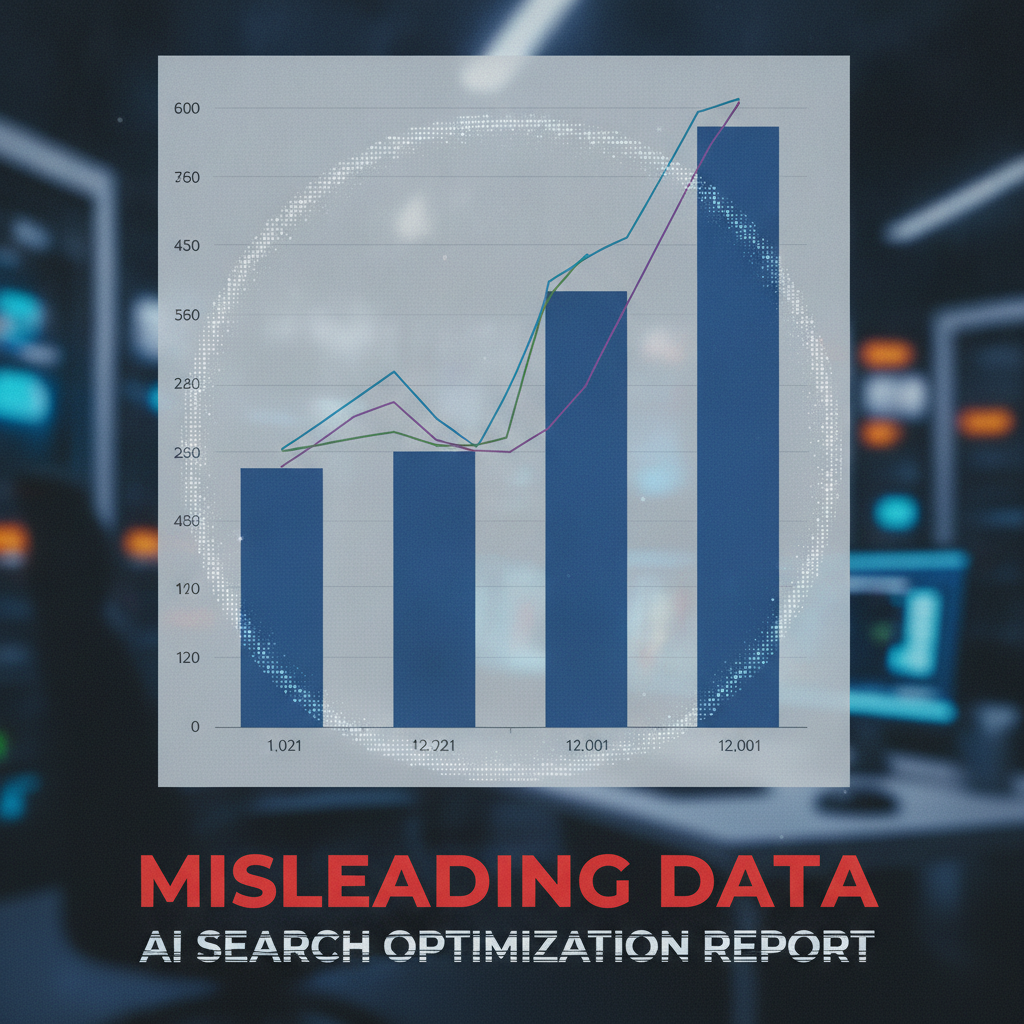
Agencies often highlight metrics that look good. Impressions, rankings, clicks. These are not always revenue. They are proxies. Without conversion data, these numbers are empty. They indicate activity, not profitability. Demand clarity. Demand conversion metrics tied to your business objectives.
Red Flags in Agency Reporting: A CEO’s Checklist
Your agency reports. You need to read between the lines. Identify these common red flags:
- Vague “AI-driven insights”: They claim AI did something. They cannot explain what or how. They provide no actionable steps derived from this “AI.”
- Lack of competitive context: Your agency reports your gains. They ignore competitor movement. Are you winning, or just keeping pace in a growing market?
- Exclusion of critical data: They omit data points that challenge their narrative. Conversion rate dips, traffic quality issues, or drops in high-value keywords disappear.
- Obsession with traffic volume: High traffic is meaningless without high intent. Are new users converting? Or are they just browsing, costing you money?
- Inconsistent or non-standardized reporting: Each month, the report changes format. It is difficult to compare performance over time. This obfuscates true trends.
- No clear link to business KPIs: Their metrics do not directly correlate with your revenue, lead generation, or customer acquisition costs. They speak a different language.
Auditing for Real Outcomes: Beyond the Dashboard
Do not just accept reports. Validate them. Your investment depends on it.
Independent Verification Strategies
Take control. Cross-reference agency data with your own analytics platforms. Look at Google Analytics, Search Console, your CRM. Are the numbers consistent? Are discrepancies explained? Request raw data. Perform spot checks. Consult with an independent expert. This is due diligence.
What Good AI Visibility Reporting Looks Like
Transparent AI visibility reporting provides specific, actionable insights. It shows how AI influences your search performance. It details:
- Specific AI applications: How AI tools are used for keyword research, content generation, or technical SEO audits.
- Impact on target segments: How AI optimized content performs with specific audience demographics or intent groups.
- Quantitative shifts: Clear data on how AI strategies improved rankings, click-through rates, and, crucially, conversions for specific keywords or topics.
- Test results and iterations: Data from A/B tests or incremental improvements driven by AI recommendations.
- Competitive landscape analysis: How your AI-driven efforts position you against key competitors.
Strategic AI Integration: The Agency’s True Mandate
Agencies should integrate AI for business growth. Not for show. Here is how they should approach it:
- Define clear ROI objectives: Every AI initiative must tie to a measurable business outcome, such as CPL reduction or increased MQLs.
- Integrate AI with existing tech stacks: Seamlessly connect AI tools with your CRM, analytics, and marketing automation platforms for a unified view.
- Focus on predictive analytics: Use AI to anticipate market shifts, user behavior changes, and content opportunities, staying ahead of trends.
- Automate mundane tasks: Free up human strategists for high-level thinking. Allow AI to handle data parsing, basic content drafts, or technical audit identification.
- Provide transparent methodologies: Clearly explain the AI models, data sources, and algorithms used. No black boxes.
- Offer continuous optimization: AI models require constant refinement. Agencies must demonstrate ongoing learning and adaptation.
The Client’s Role: Fueling Genuine Partnership
Your agency is a partner, not a vendor. Foster transparency. Demand accountability. Provide access to your business data and goals. Communicate clearly. Define success metrics upfront. Challenge vague reports. A strong partnership drives mutual growth.
Spotting the Difference: Managing vs. Growing Your Business
| Metric/Practice | Agency Managing (Red Flag) | Agency Growing (Genuine Partnership) |
|---|---|---|
| Reporting Focus | Impressions, ranking positions, traffic volume. | Conversions, CPL, ROI, customer lifetime value. |
| AI Claims | “AI-powered insights” without clear methodology or impact. | Specific AI applications, A/B test results, quantifiable business outcomes. |
| Data Transparency | Aggregated, cherry-picked data; reluctance to share raw analytics. | Full access to dashboards, raw data, detailed methodologies. |
| Communication | Passive, defensive; avoids difficult questions. | Proactive, problem-solving; addresses challenges directly. |
| Strategic Alignment | Focus on SEO tasks; disconnected from your business KPIs. | Deep understanding of your business; aligns SEO with revenue goals. |
Bottom Line
Your agency should drive your business forward. Not just report on its own activities. Demand performance. Demand transparency. Demand ROI. If your agency is managing, not growing, your business suffers. Replace them. Fast.
Frequently Asked Questions
What is genuine AI search optimization?
True AI search optimization integrates advanced analytics and machine learning to identify patterns, predict user intent, and optimize content at scale, enhancing existing SEO strategies with efficiency and precision.
What red flags should I look for in an AI search optimization agency’s reports?
Red flags include vague ‘AI-driven insights’ without explanation, lack of competitive context, omission of critical data, obsession with traffic volume over conversions, inconsistent reporting, and no direct link to your business KPIs.
How can I verify the performance claims of my AI search optimization agency?
Cross-reference agency data with your own analytics (Google Analytics, Search Console, CRM), request raw data, perform spot checks, and consult an independent expert for due diligence.
What metrics indicate real business growth from AI search optimization?
Real growth is measured by metrics directly correlated with business objectives, such as conversions, cost per lead (CPL), return on investment (ROI), and customer acquisition costs, not just impressions, rankings, or traffic volume.
What should transparent AI visibility reporting include?
Transparent reporting details specific AI applications, their impact on target audience segments, quantitative shifts in rankings and conversions, A/B test results, and competitive landscape analysis.