
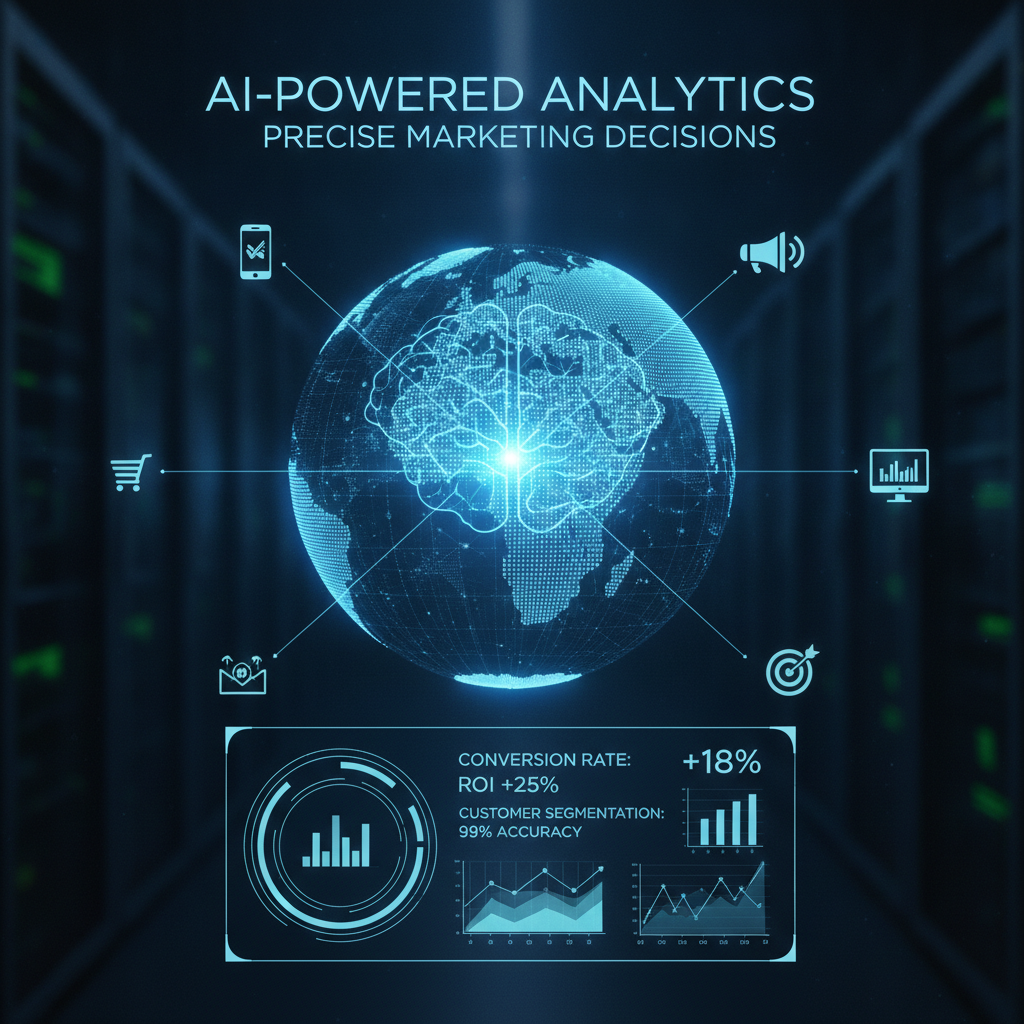
The digital advertising landscape shifted. Payment tied directly to measurable action, that is the core of performance marketing. Now, artificial intelligence fundamentally reshapes this strategy. It demands a new approach: optimizing for AI-generated search results. Many organizations fail here. This article dissects effective strategies and exposes common pitfalls.
Performance Marketing: The ROI Imperative
Performance marketing operates on a simple premise: pay for results. Clicks, leads, sales. No results, no payment. This model ensures efficiency. It demands mathematical precision. Every dollar spent must generate a tangible return. This is not about brand awareness for its own sake. It is about scale, driven by proven conversion paths.
AI’s Role in Performance Campaigns
AI integrates across every touchpoint. It predicts user behavior. It optimizes bid strategies in real-time. It personalizes ad creatives. This leads to unprecedented efficiency. AI identifies patterns humans miss. It allows marketers to scale campaigns faster, with greater certainty of ROI. Ignore AI, concede market share.
The Era of AI Search Optimization (AIO)
Traditional SEO focused on keywords and links for human searchers. AIO targets large language models and generative AI systems. These systems now curate search results. They summarize information. They answer questions directly. Your brand’s visibility depends on being the authoritative source AI selects.
Mastering AI-Driven Discovery
- Content Authority: Become the definitive source. AI prioritizes comprehensive, accurate content.
- Contextual Relevance: Optimize for semantic understanding, not just keywords. AI understands intent.
- Data Cohesion: Ensure your data is structured, clean, and easily digestible by AI.
Measuring “Share of Voice” in AI-generated content is critical. If AI mentions your brand, you gain authority. If it cites your data, you win. This is the new frontier of brand visibility.
Common Pitfalls: Why Campaigns Fail
Organizations often falter in AI-enhanced performance marketing. The reasons are consistent: poor data, lack of strategic understanding, and chasing the wrong metrics.
1. Data Quality is Non-Negotiable
AI is a powerful engine. It runs on data. Bad data yields bad results. Many businesses neglect data hygiene. They feed AI irrelevant or corrupted information. This leads to skewed insights, wasted ad spend, and failed campaigns. AI amplifies data issues, it does not fix them.
2. Misconceptions of AI Integration
Some believe simply activating an AI tool guarantees success. This is false. AI requires expert oversight. It needs strategic direction. Without a deep understanding of performance marketing principles, AI becomes an expensive toy, not a growth driver. It demands human intelligence to guide artificial intelligence.
3. Chasing Vanity Metrics
High impressions mean nothing without conversions. Likes do not pay bills. Focus on metrics that directly impact revenue. Cost Per Acquisition (CPA), Return on Ad Spend (ROAS), Customer Lifetime Value (CLTV). These are the numbers that matter. Anything else is noise. AI must optimize for profit, not popularity.
Strategies for Tangible Growth
Achieving measurable growth in this AI-driven landscape requires deliberate action. Focus on precision, integration, and continuous optimization.
1. Build a Robust AIO Strategy
This is more than just technical SEO. It involves content strategy, data architecture, and proactive brand management. Here are key steps:
- Audit Existing Content: Identify gaps and areas for semantic enrichment.
- Structure Data for AI: Implement schema markup, knowledge graphs, and clear content hierarchies.
- Monitor AI Citations: Track where and how AI references your brand and content. Adjust strategy accordingly.
- Develop AI-Friendly Content: Create concise, factual, and authoritative content pieces. These are ideal for AI summarization.
2. Prioritize Data Integrity
Clean data is the foundation of effective AI performance marketing. Implement rigorous data collection and validation protocols. Invest in data governance. A fractional CMO can provide the strategic oversight to establish these critical frameworks, ensuring your data assets are robust and reliable for AI deployment.
3. Embrace Fractional Leadership for Strategic Oversight
The complexity of AI integration demands seasoned expertise. A fractional CMO provides this without the overhead of a full-time executive. They bridge the gap between technology and business strategy. They ensure AI investments align with long-term growth objectives, driving business integration and measurable ROI.
Performance Marketing vs. Digital Marketing: A Clear Distinction
These terms are often conflated. They are not interchangeable. Understanding the difference is crucial for strategic clarity and resource allocation.
| Feature | Performance Marketing | Digital Marketing (Broader) |
|---|---|---|
| Primary Goal | Measurable ROI, Direct Conversions | Brand Awareness, Engagement, Traffic, Long-term Value |
| Payment Model | Pay-per-action (CPA, CPC, CPL) | Fixed fees, hourly, media spend |
| Focus | Efficiency, Scale, Optimization, Math | Campaigns, Content Creation, Channels, Brand Building |
| Metrics | ROAS, CPA, CLTV, Conversion Rate | Impressions, Clicks, Likes, Shares, Reach |
| Strategy Driver | Data-driven algorithms, A/B testing | Creative strategy, market trends, audience segmentation |
Bottom Line
AI is not a magic bullet. It is a powerful tool demanding precise application. Master data quality. Understand AI Search Optimization. Prioritize measurable ROI above all else. Leverage expert strategic leadership, perhaps a fractional CMO. Only then will your performance marketing truly scale and deliver tangible growth in this new era.
Frequently Asked Questions
What is performance marketing?
Performance marketing is a digital advertising model where advertisers pay only for measurable results, such as clicks, leads, or sales, prioritizing a direct return on investment (ROI).
How does AI impact performance marketing campaigns?
AI integrates across campaigns to predict user behavior, optimize bid strategies in real-time, and personalize ad creatives, leading to increased efficiency and greater certainty of ROI.
What is AI Search Optimization (AIO)?
AI Search Optimization (AIO) focuses on optimizing content for large language models and generative AI systems that curate and summarize search results, aiming for content to be the authoritative source AI selects.
Why do AI-enhanced performance marketing campaigns often fail?
Campaigns frequently fail due to poor data quality, a lack of strategic understanding regarding AI integration, and chasing vanity metrics instead of revenue-driving indicators like ROAS and CPA.
How can content be optimized for AI-generated search results?
Content can be optimized for AI by building authority through comprehensive information, ensuring contextual relevance, structuring data with schema markup, and monitoring how AI cites your brand and content.
What is the key distinction between performance marketing and general digital marketing?
Performance marketing primarily focuses on measurable ROI and direct conversions with a pay-per-action model, while general digital marketing encompasses broader goals like brand awareness, engagement, and traffic, often using fixed fees or media spend.